
From Story to Sustainable Design: Third Graders Take on the Amazon Rainforest
What happens when a powerful story, a real environmental challenge, and hands-on building come together?
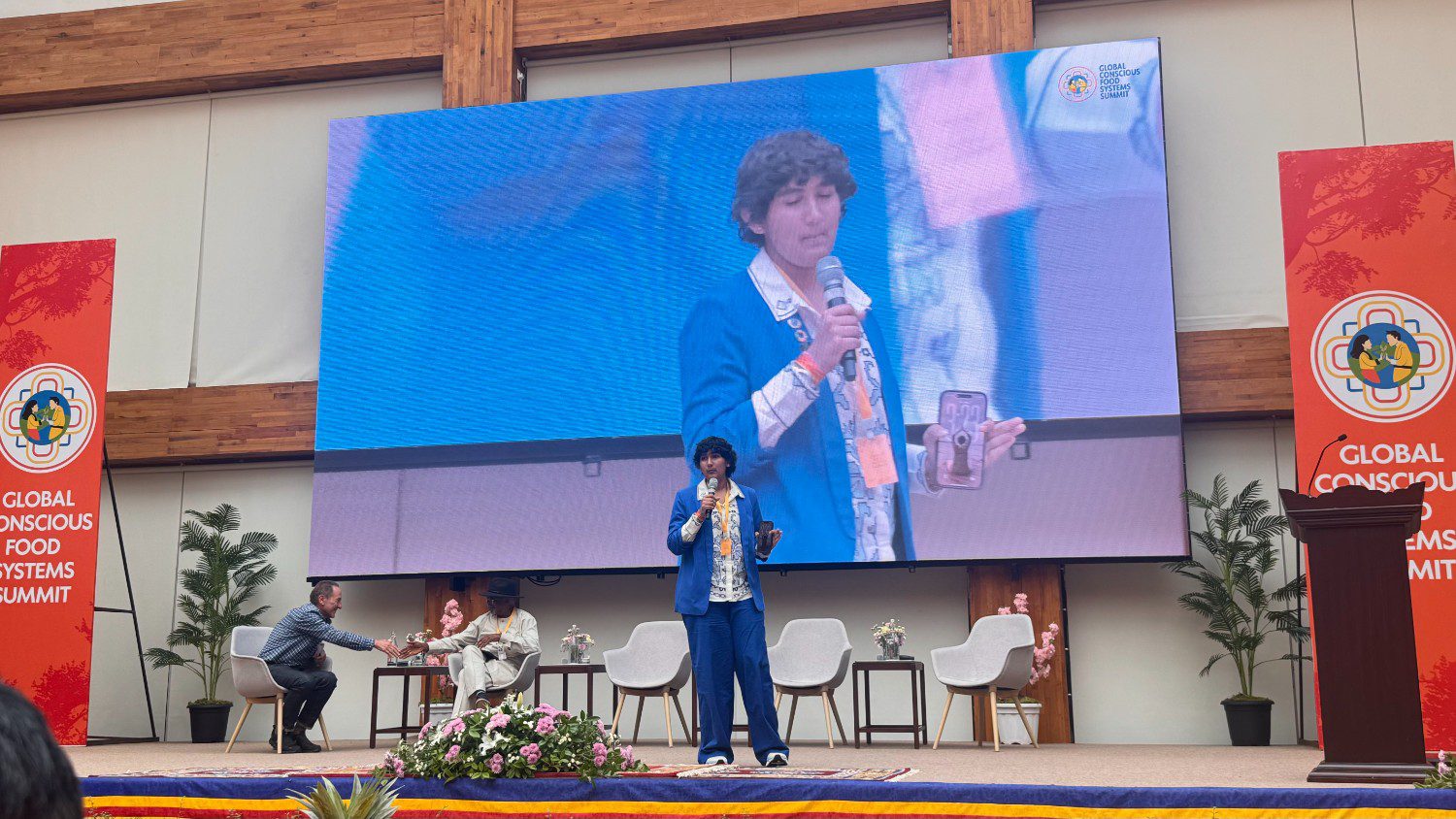
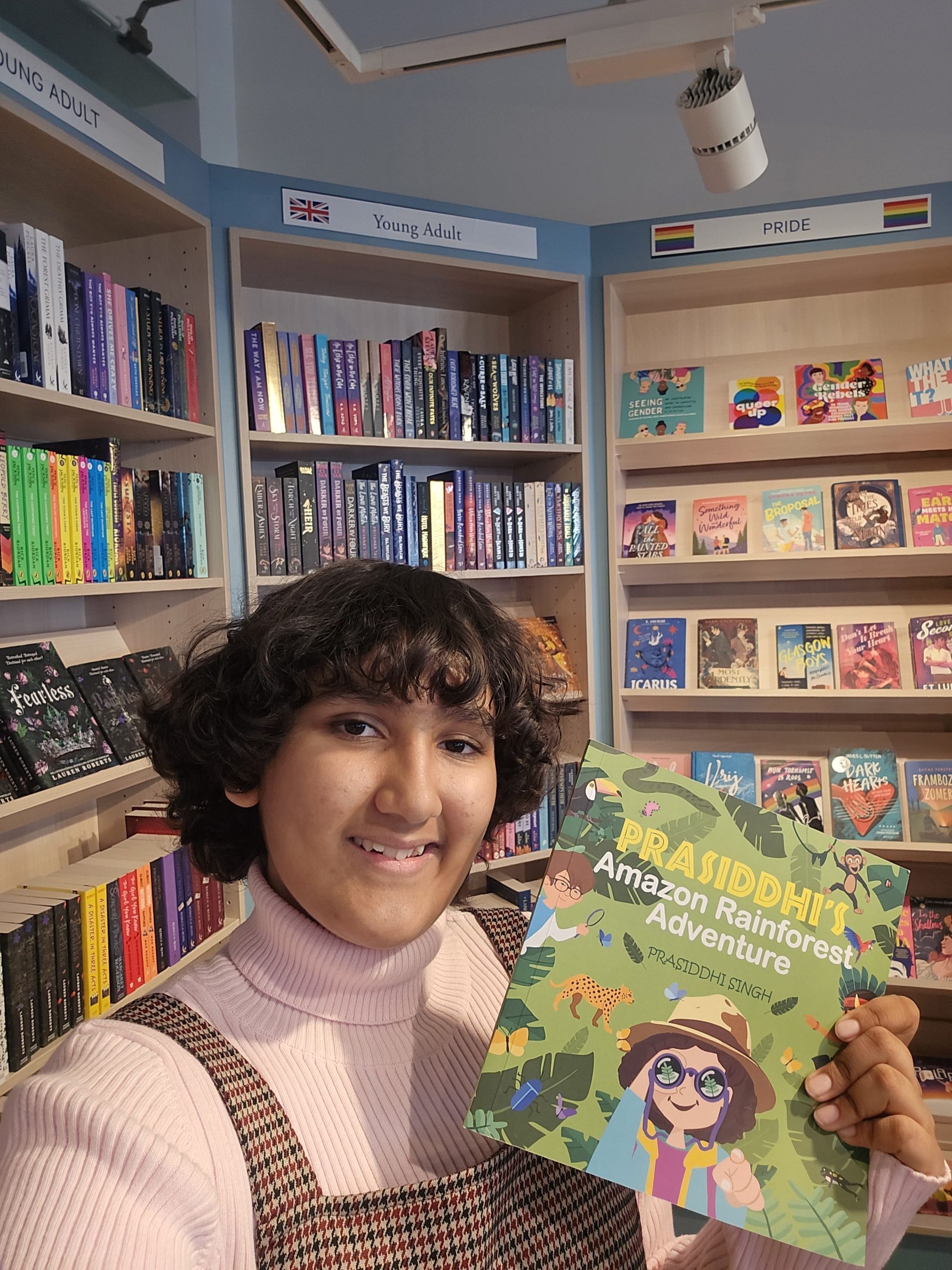
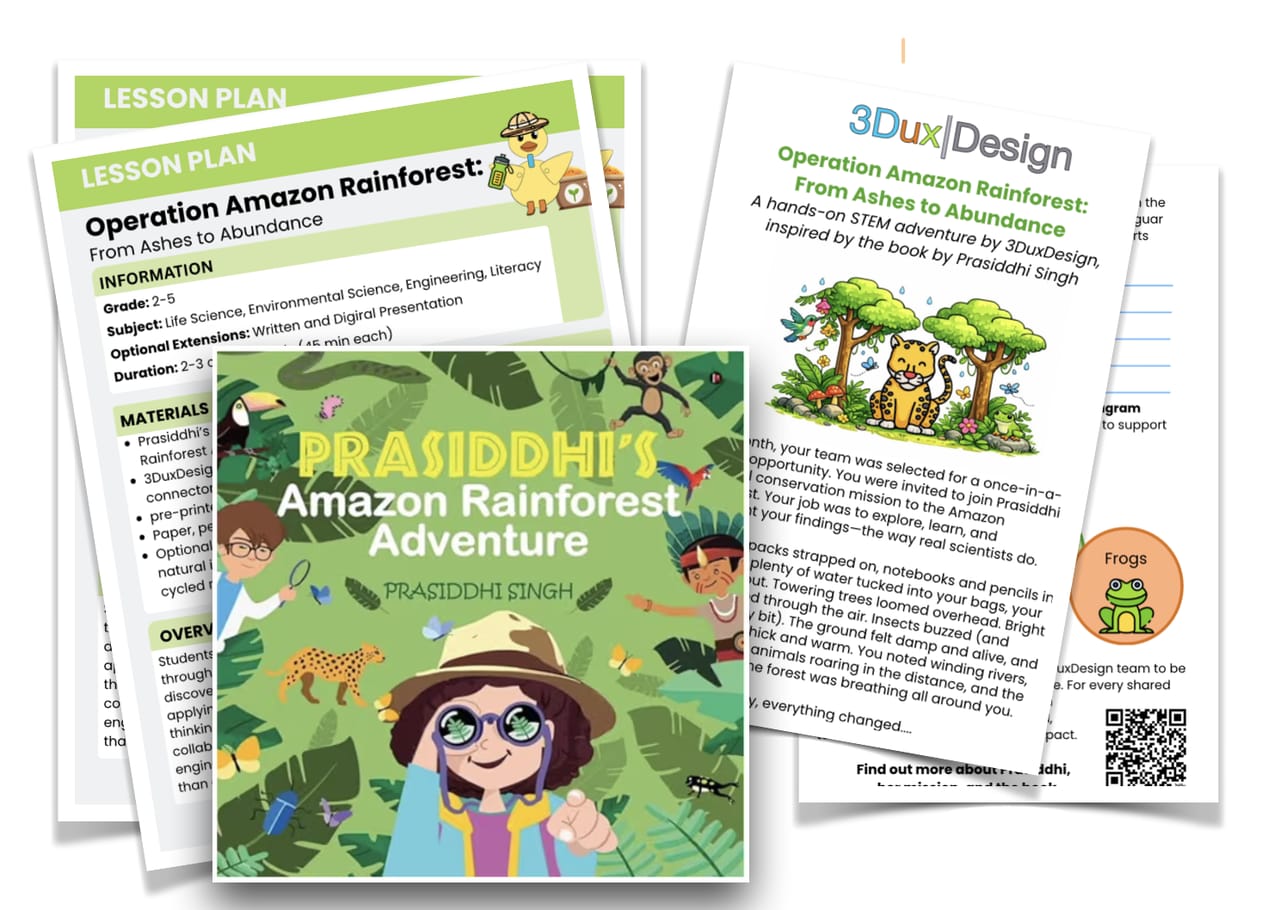
Eight third-grade classes in New Jersey, USA, recently found out through Operation Amazon Rainforest: From Ashes to Abundance, a 3DuxDesign project inspired by Prasiddhi’s Amazon Rainforest Adventure, written by our founder, youth author and environmentalist Prasiddhi Singh.
The project allowed students to move beyond simply reading about the rainforest. They stepped into the role of conservation scientists, working together to design sustainable solutions that could help a damaged ecosystem recover.
Supporting a Young Voice for the Planet
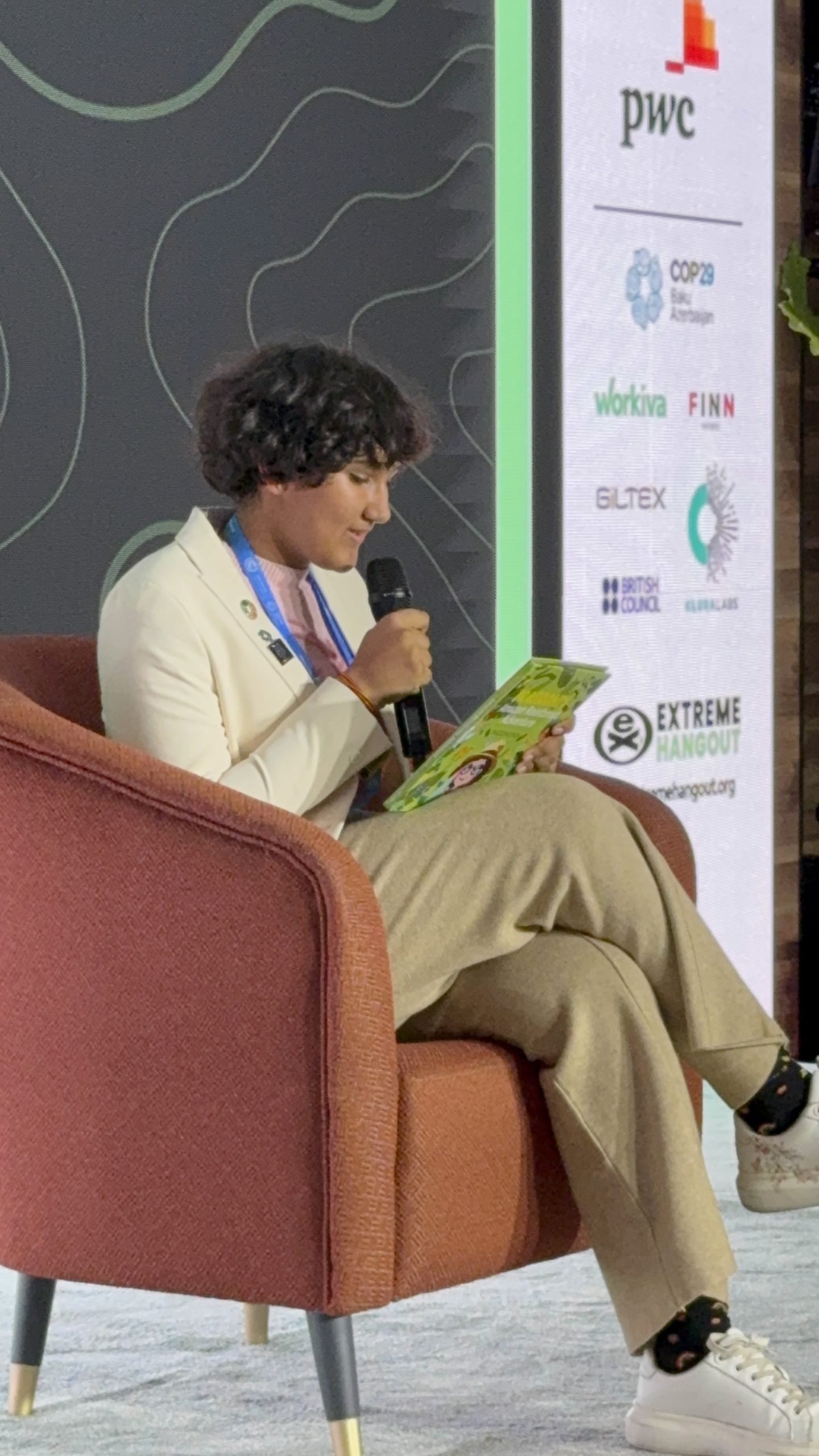
One of the most meaningful parts of this collaboration is the opportunity to introduce students to a book created by a young person who is already using her voice to inspire environmental action.
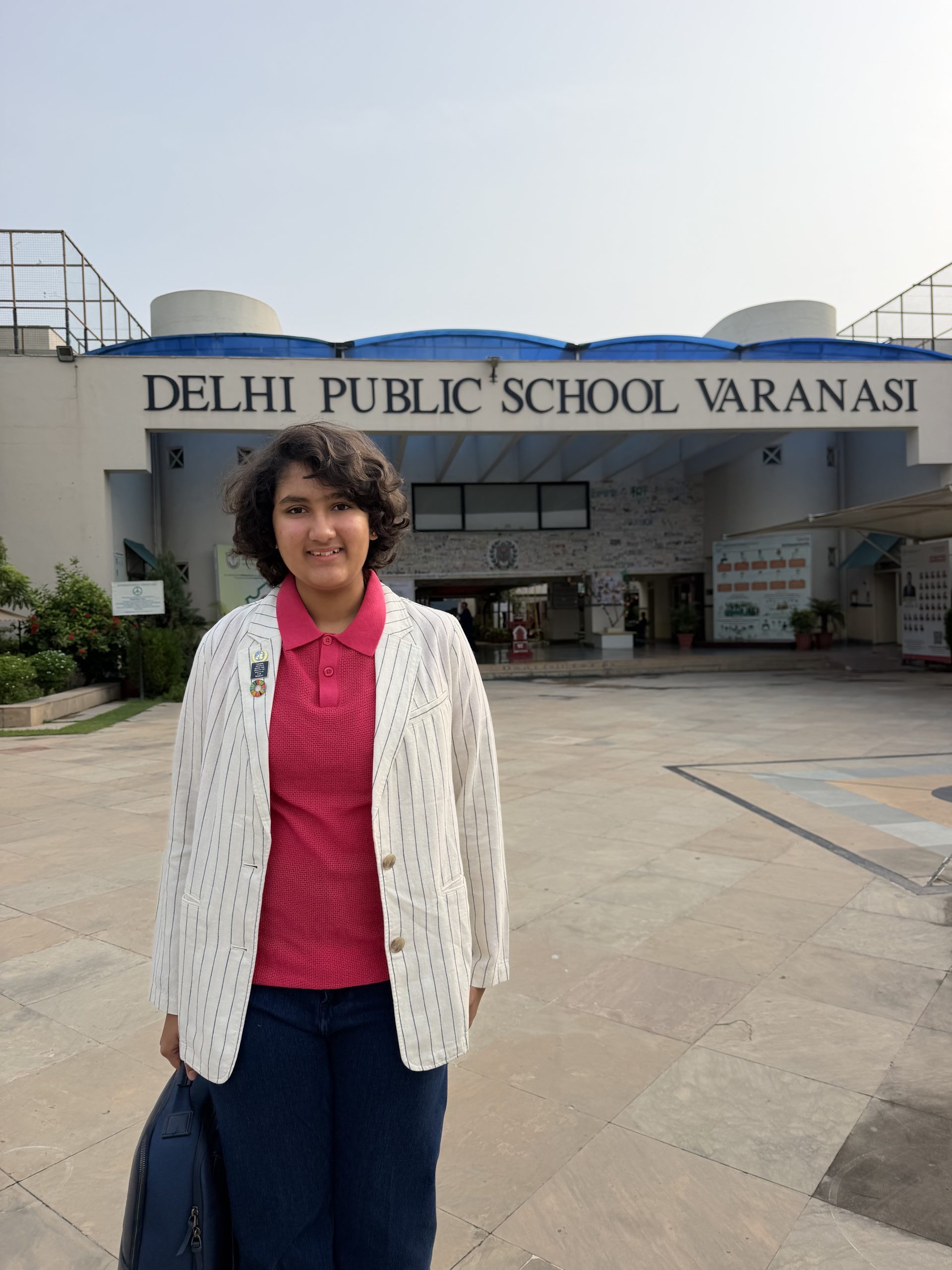
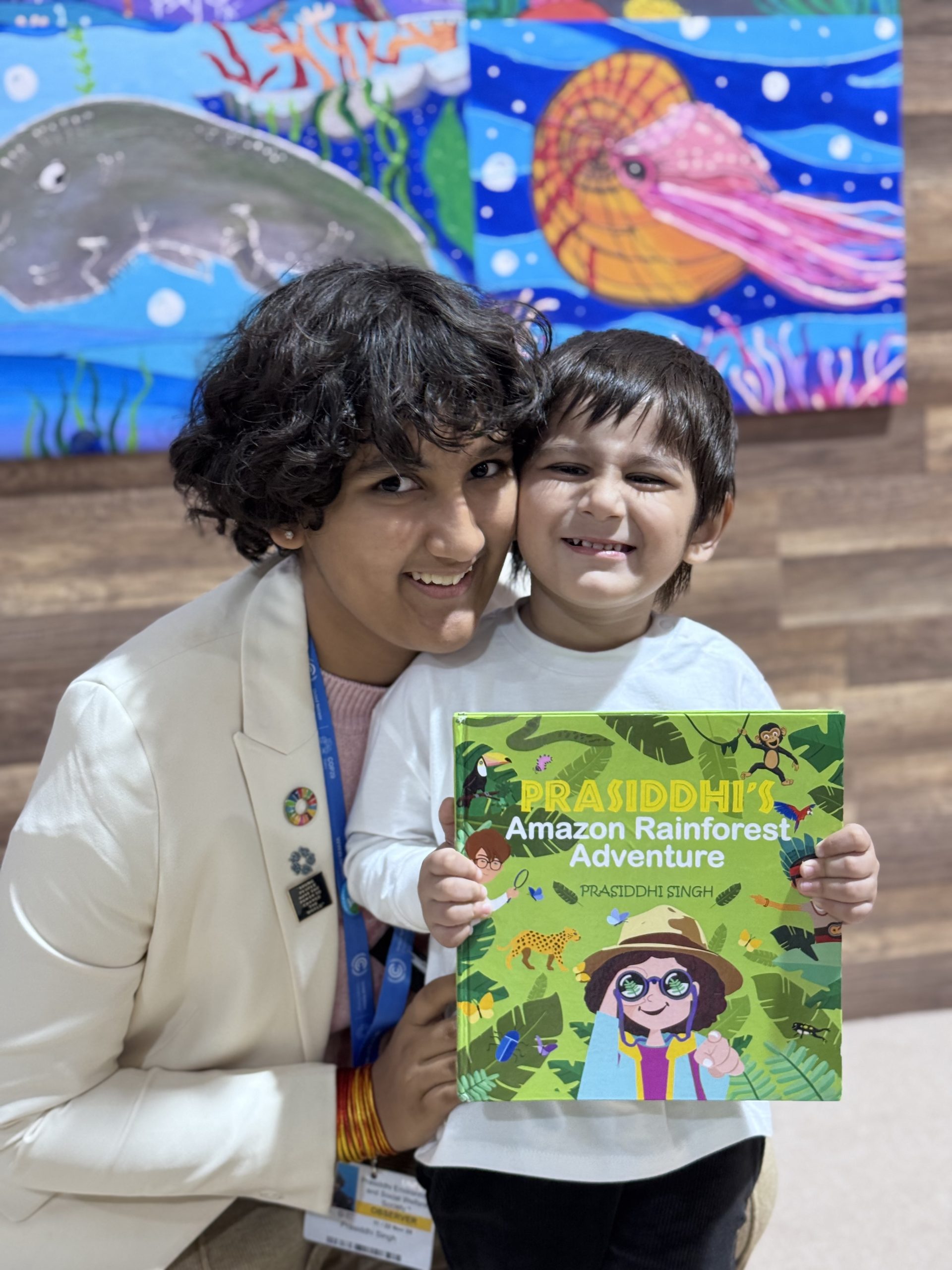
Prasiddhi Singh is a youth environmentalist, author, and founder of environmental initiatives centred on climate awareness and youth engagement. Through Prasiddhi’s Amazon Rainforest Adventure, she invites young readers to explore the plants, animals, and environmental relationships that make the Amazon such an extraordinary ecosystem.
For students, seeing another young person take action sends an important message: you do not have to wait until adulthood to care deeply, share your ideas, or help create change.
By pairing Prasiddhi’s storytelling with hands-on design experience, the project helps students see themselves not only as readers and learners, but also as problem-solvers with ideas worth exploring.
What Happens When the Classroom Becomes the Amazon?
The experience began when educator Ms Anastasio read Prasiddhi’s Amazon Rainforest Adventure with each of her third-grade classes. As students listened, they learned about the rainforest’s plants, animals, and interconnected systems.
Then came the mission.
Using the 3DuxDesign lesson plan and accompanying student booklet, students learned that they would be acting as conservation scientists tasked with helping restore damaged rainforest land. The challenge asks students to connect literacy, environmental science, engineering, and systems thinking as they plan and build a shelter, plant, and animal system designed to support ecosystem recovery.
Working in teams of four or five, students began by selecting two sustainable features for a rainforest shelter. They then explored different Amazon plants and animals, choosing one animal and a supporting plant to include in their ecosystem.
The student booklet guided teams through the challenge, helping them:
- Record information about their chosen plant and animal
- Plan the sustainable features of their shelter
- Sketch and label their ideas
- Explain how each part of the ecosystem supports the next
- Connect their design decisions through cause-and-effect thinking
The official project sequence encourages students to consider questions such as what plants provide, how animals depend on plants, and what happens when one part of an ecosystem is damaged.
Building Within Real Constraints: How Students Turned Research into Hands-On Rainforest Solutions
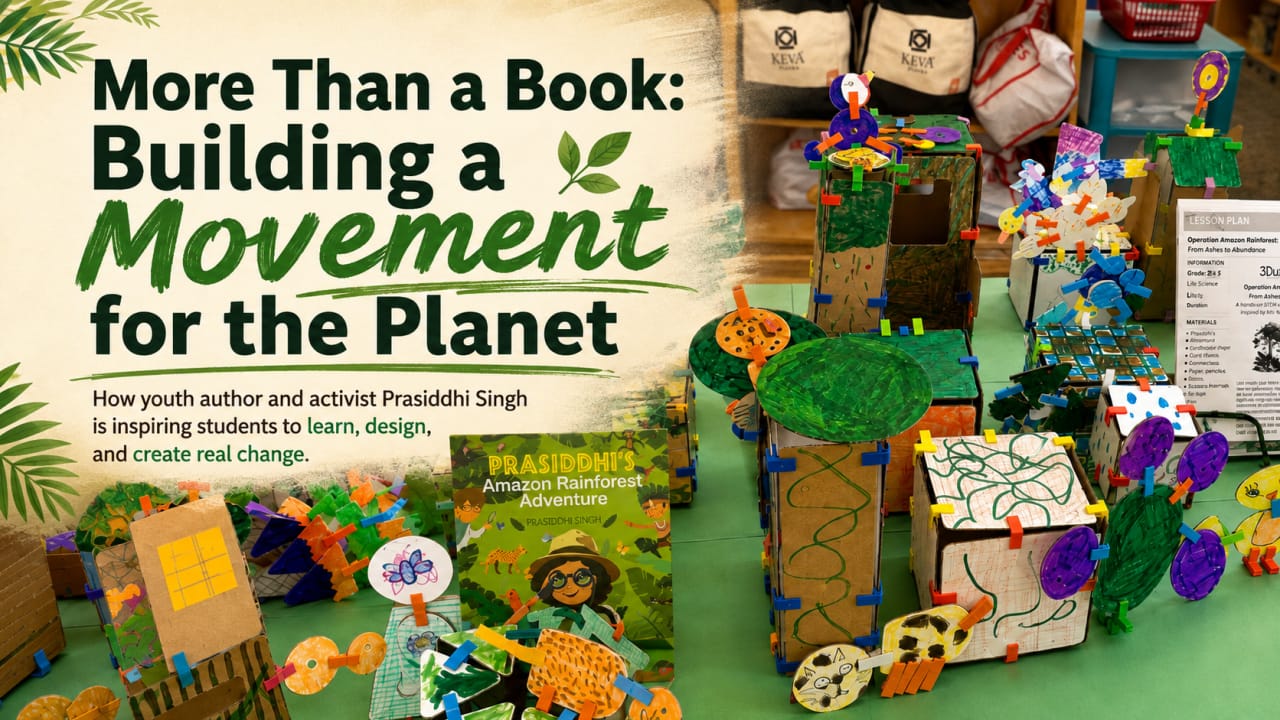
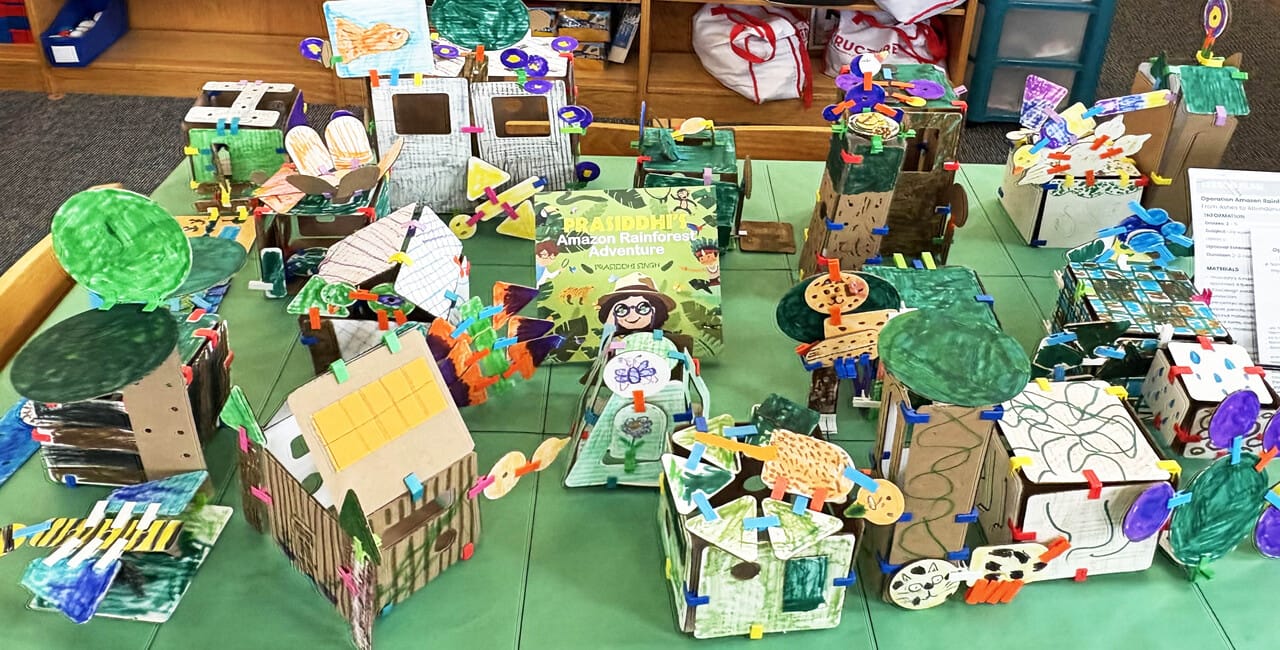
To bring the rainforest to life, Kathy covered classroom tables with green paper and marked them with a grid. Each team received a 12-by-12-inch area in which to build its shelter, plant, and animal.
That simple boundary added an authentic design constraint. Students could not build endlessly or place materials wherever they wanted. They had to consider scale, space, function, and how all three parts of their system would fit together.
Students also had access to Chromebooks when they wanted to investigate their plants, animals, or sustainable design ideas further. This created a natural balance between digital research and tactile construction: students gathered information, discussed possibilities, and then used their hands to turn those ideas into physical models.
With 3DuxDesign cardboard pieces and connectors, each group created a different vision for rainforest recovery. Some teams focused on water collection, shade, renewable energy, or protection from extreme weather. Others concentrated on how their shelter could support plant growth and, in turn, provide food or habitat for an animal.
The goal was not simply to make something that looked like a rainforest. Students had to explain why their design would work.
Three Class Periods, Many Layers of Learning
The full experience took approximately three class periods- long enough for students to think deeply, but manageable within a busy elementary makerspace/LMC schedule.
Across those sessions, students practised:
- Literacy: Listening closely, gathering information, recording research, and communicating ideas.
- Life and environmental science: Exploring habitats, biodiversity, plant and animal relationships, human impact, and ecosystem recovery.
- Engineering: Designing within constraints, selecting sustainable features, constructing models, and adjusting.
- Systems thinking: Recognizing that a shelter, plant, animal, and surrounding environment do not function independently.
- Collaboration: Dividing responsibilities, listening to different perspectives, negotiating ideas, and building a shared solution.
The project culminates in students explaining the chain connecting their design decisions: shelter → plant → animal → ecosystem recovery.
That final explanation is what transforms the activity from a craft into a meaningful learning experience. The model becomes evidence of student thinking.
A Project That Invites Every Student In
One of the strengths of this experience was the number of ways students could contribute.
Some students became deeply invested in researching animals. Others were fascinated by plants or sustainable architecture. Some naturally took the lead during construction, while others organized materials, recorded information, illustrated ideas, or helped prepare the team’s explanation.
Because the challenge combines storytelling, research, drawing, discussion, building, and presentation, students can enter through their individual strengths while continuing to develop new skills.
And because each team makes its own choices, there is no single “correct” finished product. Students can compare solutions, notice different approaches, and learn from one another’s ideas.
More Than a Rainforest Model
The finished projects were colourful, creative, and full of thoughtful details but the most important outcome was not what appeared on the tables.
It was what happened along the way.
Students experienced how a book can spark questions. They saw how scientific knowledge can guide design. They practised making decisions with limited space and materials. They learned that plants, animals, people, and environments are connected. Most importantly, they discovered that their ideas can become tangible solutions.
We are grateful to Kathy for bringing this project to young students and for sharing the results with us. Her classroom adaptation demonstrates how engaging, real-world learning can help educators connect environmental awareness with creativity, collaboration and problem-solving.
We are also proud to share the journey of Prasiddhi Singh and Prasiddhi’s Amazon Rainforest Adventure, and to see its message travel from the pages of a book into classrooms where students can research, design, build, collaborate, and imagine a more sustainable future.
Because when young people see another young person using her ideas to create change, they begin to recognise something powerful:
You don’t have to wait to make a difference.
From Learning to Action
Stories can open the door to environmental awareness. But when young people are allowed to question, create and act, that learning can go much further.
This project is a beautiful example of how climate education can move beyond the classroom, turning a story about the Amazon into an opportunity for students to understand ecosystems, explore solutions and see themselves as part of the change.
At The Green Pillar and Prasiddhi Forest Foundation, we believe that nurturing this mindset from an early age is an important part of building a generation that cares for our planet and is ready to take action.
A heartfelt thank you to the students, educators and everyone who helped bring this project to life.
Together, let’s continue to inspire young minds, support meaningful action, and #HealOurEarth. 🌱
If your school has an impact story to share or would like to collaborate with our Global Tribe, write to us at communications@thegreenpillar.com.